
Licensing Slack and Teams archives to AI buyers
What a buyer pays for in a chat archive, who can approve a licence, and how to prepare without handing over the messages.
By Sell My Company Data · Published and last reviewed 31 October 2026
- Buyers
- AI labs and data intermediaries
- What they value
- Resolved work, decisions, exceptions
- First step
- Counts and dates, not content
No files needed to start
The short answer
A Slack or Teams archive can be licensed when the company owns the workspace, the records are operational rather than personal, and the buyer's use is defined in writing. It is not sold as a dump of messages. A licence names the channels, the date range, the permitted use and the term.
Most conversations start with counts, not content: how many members, how many messages, which years, how much storage, and how much sits in public channels. Those facts decide whether a buyer is interested before anyone reads a message.
What a buyer sees in a chat archive
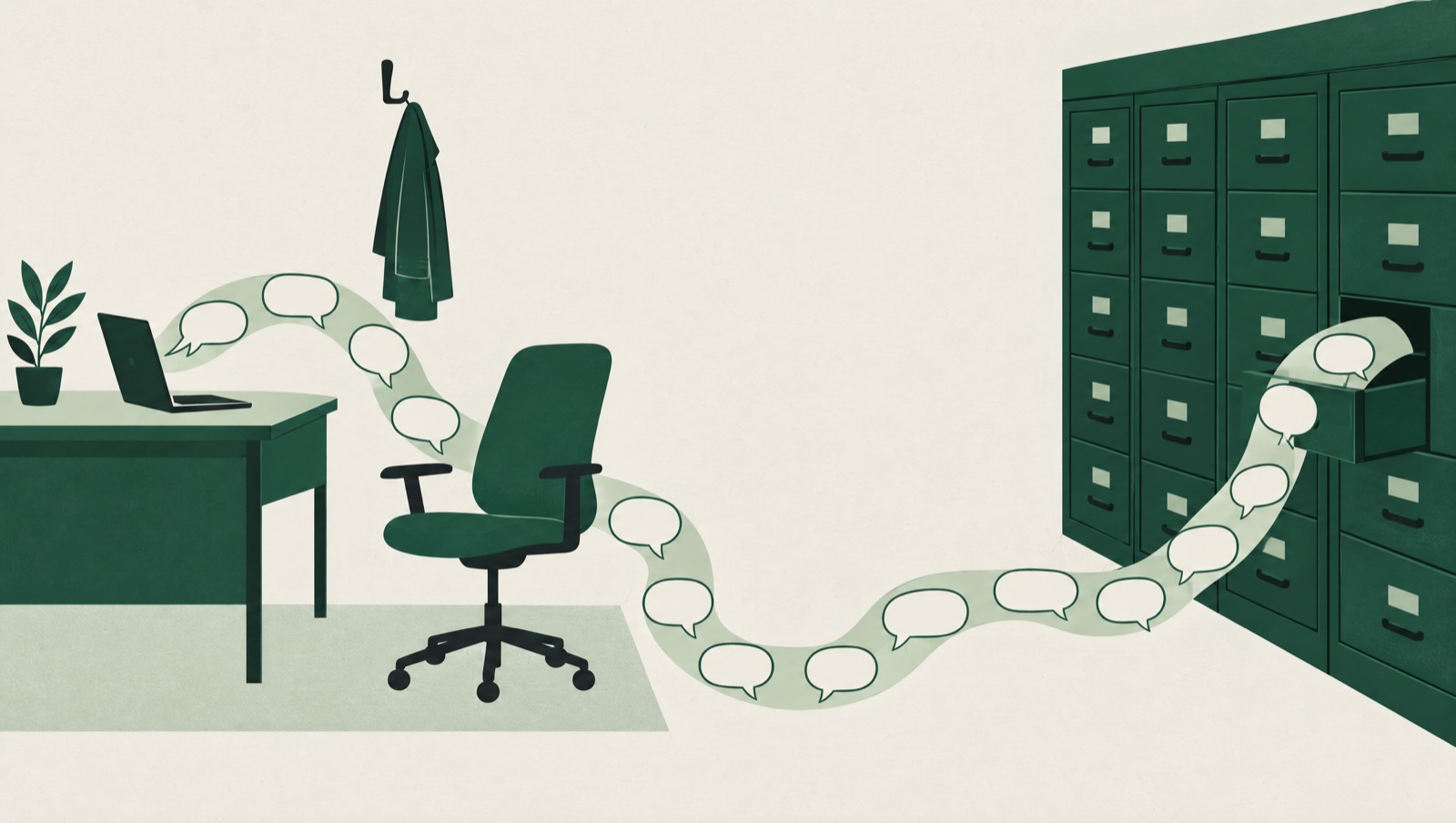
Buyers are not paying for conversation on its own. They are paying for the record of work: a problem raised, options argued, a decision taken, an exception handled, an outcome confirmed. A support escalation that ends in a fix is useful. A channel of daily hellos is not.
That is why a smaller archive with complete, resolved threads can beat a much larger one full of noise. The questions that matter are whether a thread can be followed from start to finish, whether the reasoning is visible, and whether the outcome is recorded.

Who can license a workspace archive
Three things need to line up before an archive is offerable.
- Title. The company owns or controls the workspace. A contractor's workspace, a client's Slack Connect channel or a personal account is not the company's to license.
- Permissions. Employment contracts, internal policies and customer agreements allow the proposed use. Some contracts restrict onward use of client material.
- People. Messages identify employees and often customers. Employee data and customer data need separate review, and customer records are usually excluded from the scope.
A company in insolvency is different. Once a practitioner is appointed, that person usually controls the assets, so their approval comes before any buyer conversation. The guide to closed and liquidating companies covers that route.
What the licence should say
If a term is not written, assume it is not agreed. A workable licence covers:
- Scope: which workspaces, channels, years and file types.
- Permitted use: training, evaluation, or both. These are different permissions.
- Term and exclusivity: how long the buyer may use the records, and whether you can license them again.
- Sublicensing and model retention: whether the buyer's model keeps the data after the term ends.
- Deletion and confirmation: what is destroyed at the end, and what proof you receive.
- Payment: the amount, the trigger and the timing.
A buyer will usually ask for more than you expect. The agreement is where that gets decided, not the sales call.
Permissions to check first
Before offering anything, confirm:
- Workspace ownership. On Slack, a workspace owner can export data. On Teams, exports run through admin and compliance tooling.
- Retention settings. Some messages have already been deleted, and some may be under a legal hold.
- Employee notices. What staff were told about monitoring, retention and reuse of their messages.
- External collaborators. Slack Connect channels and guest accounts carry other companies' data.
- Customer contracts. Some agreements restrict where data can go and for what purpose.
The platform documentation is the starting point: Slack explains workspace data export and its data management position. Microsoft documents the Teams export APIs and retention policies. The ICO guidance covers the UK position on personal data.
How to prepare without exporting a single message
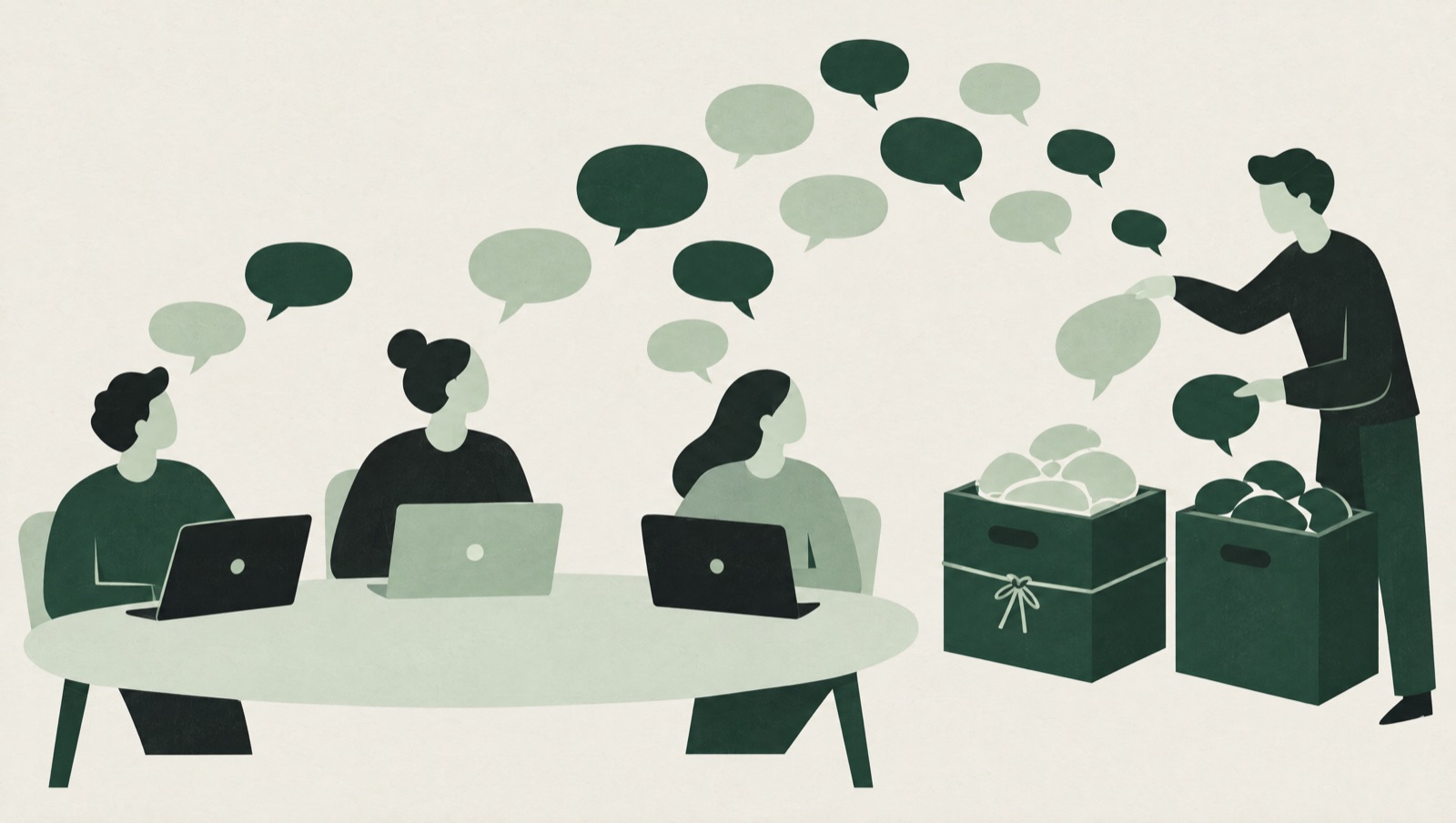
You can describe an archive from the admin screens alone:
- Members, including former staff who still appear in the directory
- Message count and the date range it covers
- Storage used and the share in public versus private channels
- Number of channels, guest accounts and external collaborators
- Languages present and the rough English share
- Whether an export is available, and in what format
Do not paste message content into an enquiry. Do not send customer names, credentials or confidential records. An indicative range needs counts and dates, not the archive itself. The tool inventory collects the system details if that is easier.
What buyers ask that sellers struggle to answer
Expect these, and answer honestly. Unknown is a valid answer.
- How much of the archive survived deletions and retention rules?
- Are threads complete, including replies and attachments?
- What share is in English?
- Which years have gaps?
- Who owns the workspace, and can you prove it?
- Do customer or client names appear in the messages?
A seller who overstates retention gets found out during sample review. A seller who says “unknown, here is how we can check” keeps the conversation alive.
What happens with us
We review the description, ask for the missing facts, and give an indicative range where the calculator applies. We then approach licensing partners whose programmes fit the archive.
An introduction is not a lab contract, a price or a guarantee. Nothing is shared before the scope and permissions are settled, and any fee or commission is stated in writing before you agree to anything. The website terms and the privacy notice set out the rest.
Questions
Can we license only the public channels?
Yes. The licence can name specific channels and years. A narrower scope is easier to approve, but a buyer may value it less or decline.
Do we need to export the archive before talking to a buyer?
No. Start with counts and date ranges from the admin screens. Content is reviewed later, under agreed confidentiality terms.
Are direct messages included?
Usually not. Direct messages carry a higher personal-data risk. A buyer may ask for them, but expect separate review and a real chance the answer is no.
Can messages from former employees be included?
Only if the notices and contracts in force at the time allow the proposed use. That is a legal review question, not a sales question.
How long does a licence take?
There is no fixed timeline. It depends on the scope, the permissions review and the buyer's own process. We do not promise a completion date.